





A Homeowner's Guide to Restoration and Cleaning in Dallas & North Texas
Property damage rarely arrives on a convenient schedule, and cleaning needs come up whether or not anything has gone wrong. Here's what North Texas homeowners and business owners should know before they need help.
How do I know if damage is an emergency?
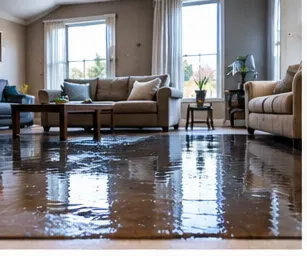
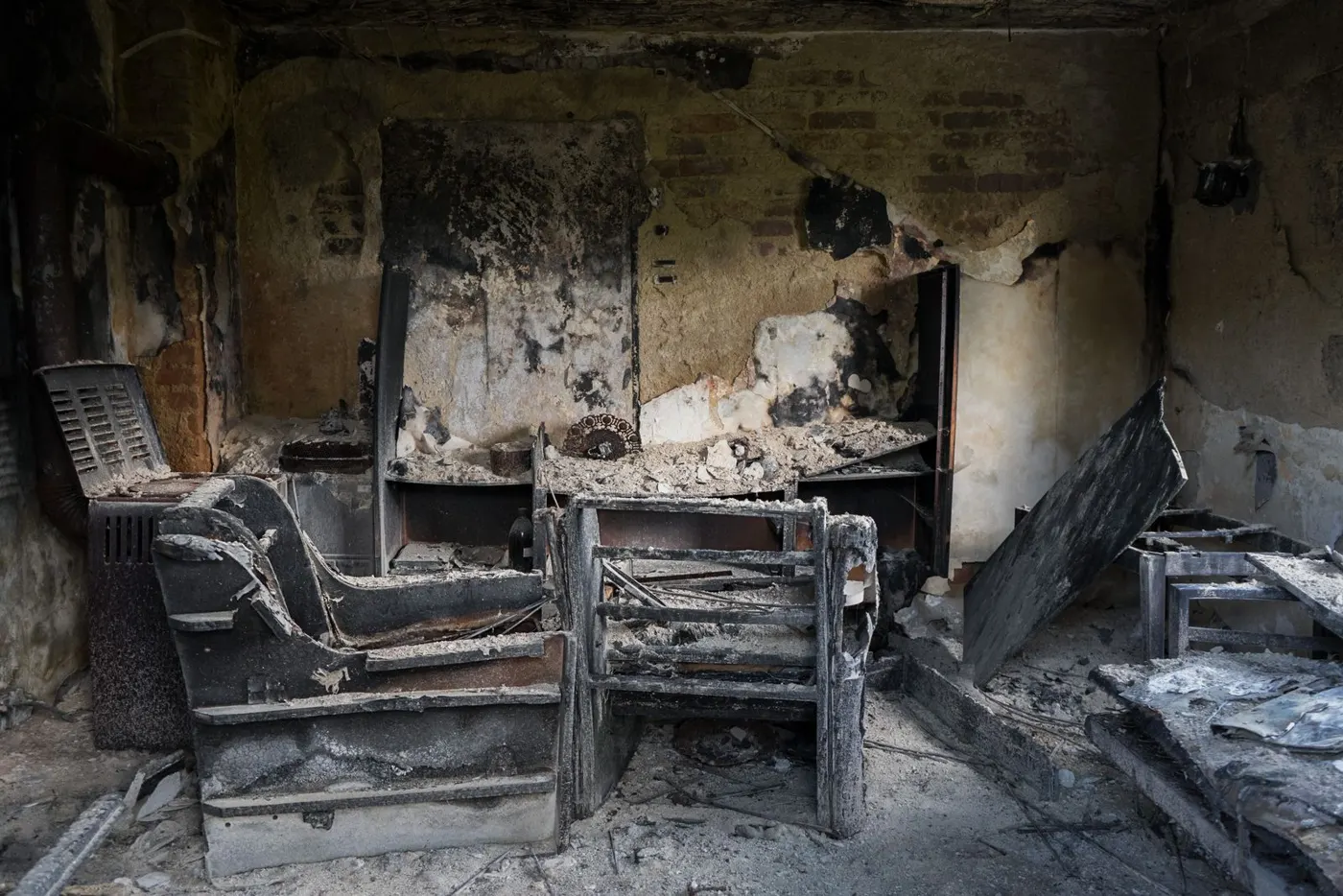
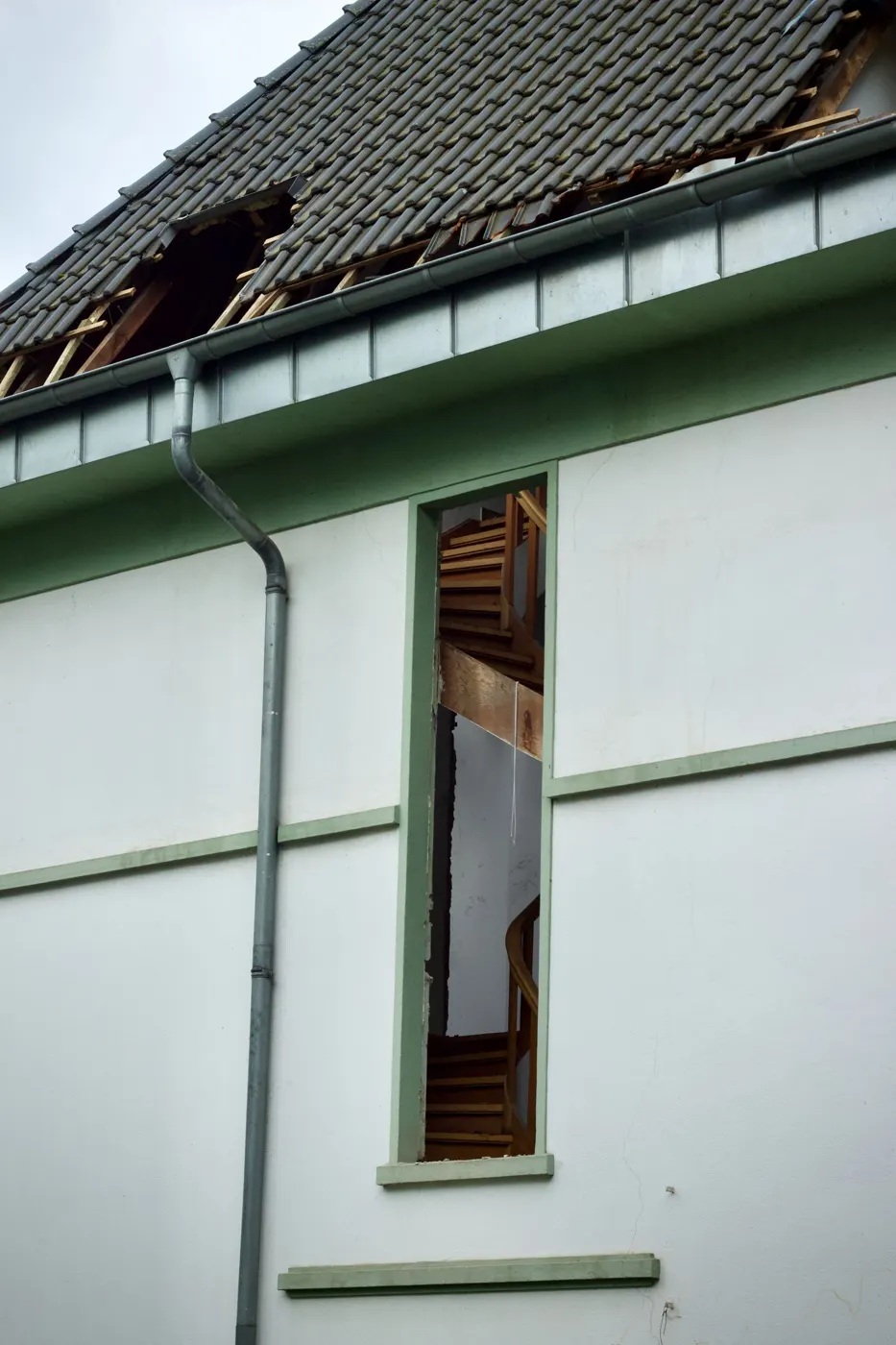
Active water intrusion, standing water near electrical systems, visible fire or smoke damage and storm-damaged openings in a roof or wall are all situations that call for immediate attention.
Smaller issues, like a slow-growing musty smell, an older stain or general grime buildup, can usually be scheduled during normal business hours instead.
What should I do in the first few minutes?
Safety comes first. Avoid standing water if electrical outlets, cords or appliances are nearby, and stay away from areas with sagging ceilings, exposed wiring or structural damage.
If it's safe, stop the water source, such as a shutoff valve, and move valuables away from the affected area.
Take photos of the damage before cleanup begins. This documentation can be useful later if you file an insurance claim.
Why does moisture keep causing problems after the water is gone?
Water can travel into flooring, drywall, insulation and other concealed spaces long after the visible puddle is cleaned up.
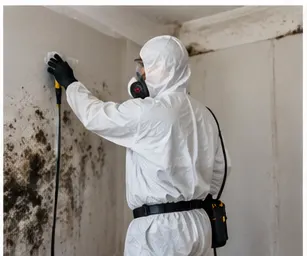
Left unaddressed, trapped moisture can lead to warped materials, lingering odors and conditions that allow mold to develop.
Professional moisture detection and structural drying are designed to find and dry out these hidden areas, not just the surfaces you can see.
How does North Texas weather and soil affect properties here?
Dallas and North Texas see a mix of severe thunderstorms, high winds, hail and heavy downpours that can overwhelm roofs, gutters and drainage systems.
The area's clay-heavy soil also expands and contracts with moisture changes, which can stress foundations and plumbing lines over time and contribute to leaks.
Hot, humid summers can make it easier for moisture problems to turn into mold issues if a leak or spill isn't dried out quickly.
What should I keep in mind about insurance?
Document the damage with photos or video before any cleanup or repairs begin, and keep a written record of when the damage happened and what caused it.
Save receipts for any temporary repairs, such as tarps or emergency supplies, since these are sometimes reimbursable.
Coverage details vary by policy, so contact your insurance carrier directly to understand what your policy covers and any steps it requires.
How do I choose a restoration or cleaning company?
Look for a company that's familiar with your local area and can respond promptly when damage is active.
Ask what the process looks like, from initial assessment through drying, cleaning and repairs, so you know what to expect.
Working with one company that offers multiple services, such as water removal, drying, mold remediation and cleaning, can simplify a complicated loss instead of coordinating several separate contractors.
Can routine cleaning help prevent bigger problems?
Regular carpet, upholstery and floor cleaning removes trapped dirt, allergens and moisture-holding debris before they become a bigger issue.
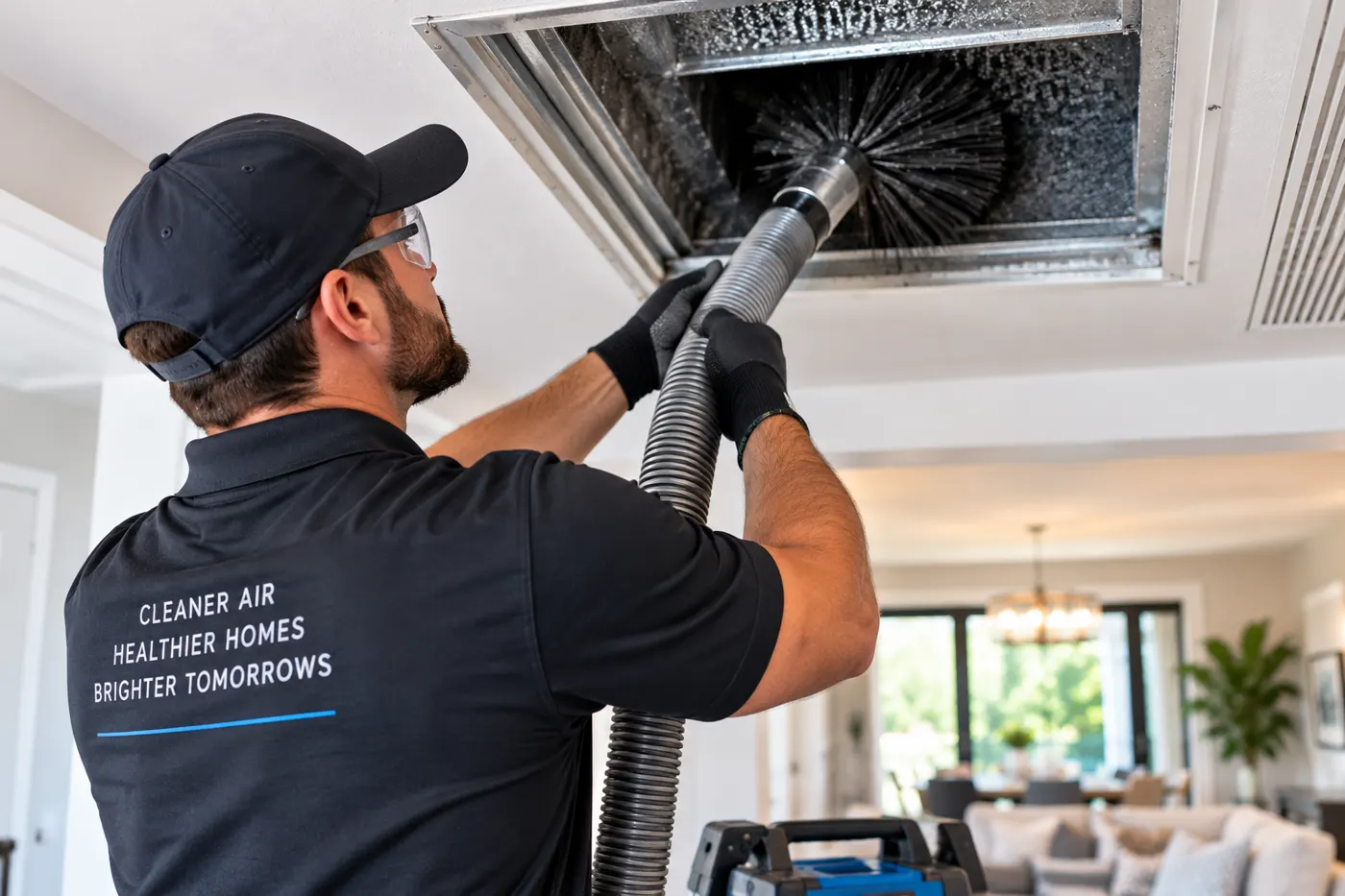
Clean, well-maintained air ducts and dryer vents can support better airflow and reduce accumulated dust and lint.
Addressing small maintenance issues, like a slow leak under a sink, before they grow can help you avoid a larger restoration project down the road.